Rapid Coordinated Response Prevents Fuel Handling Incident at Chicago Reactor
Christopher Anderson, a seasoned nuclear emergency coordinator, effectively led the response to a fuel handling anomaly, demonstrating how expert judgment and established protocols can prevent a potential radiological release in a busy Chicago reactor.

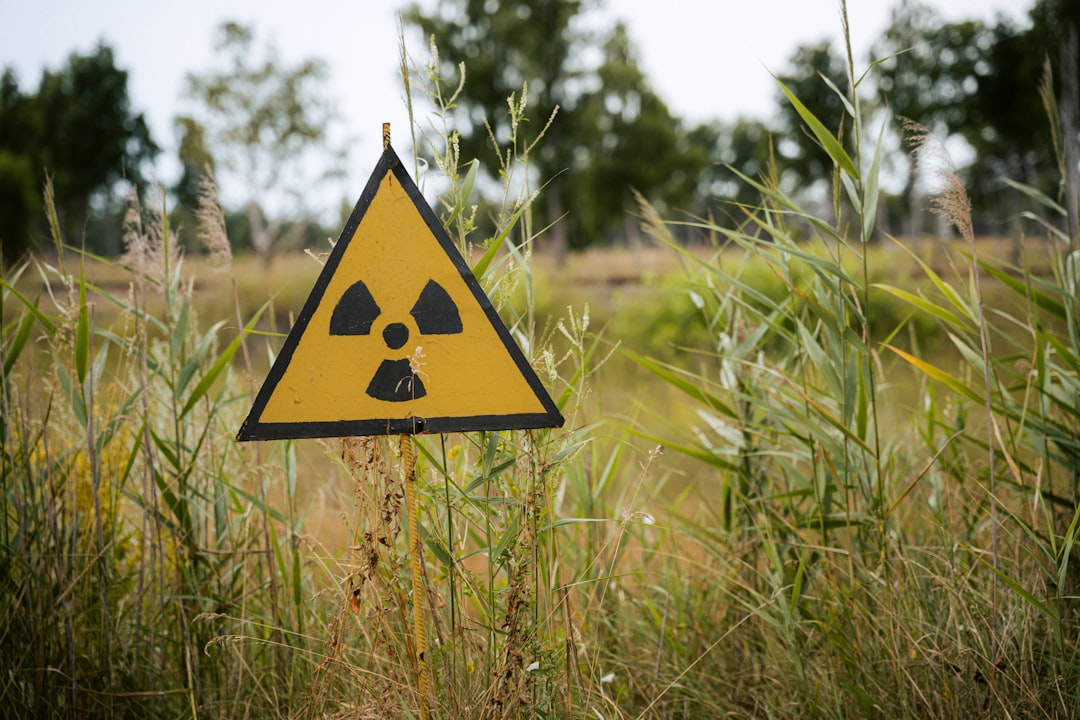
Photograph: Lukáš Lehotský / Unsplash
The moment
In March 2024, during a routine fuel reloading operation at a pressurised water reactor outside Chicago, the control room team detected an abnormal vibration in one of the remotely operated fuel assembly manipulators. The reactor was in a scheduled shutdown phase, and the fuel handling system was actively engaged in transferring fuel assemblies within the spent fuel pool. As part of standard safety protocols, the operators immediately initiated the reactor’s emergency response procedures, which included halting the movement of the manipulator and notifying the on-site nuclear safety team. However, the situation demanded expert assessment to determine whether the vibration indicated a mechanical fault or posed a risk to fuel integrity.
Within minutes, Christopher Anderson, a senior nuclear safety engineer with over 15 years of experience in reactor operations and emergency response planning, was called upon to evaluate the anomaly. His familiarity with the specific reactor’s fuel handling systems, combined with his extensive background in abnormal vibration analysis, positioned him as the key figure to interpret the sensor data and advise on subsequent actions. The stakes were high: a misinterpretation or delayed response could lead to fuel pin damage, potential radiological release, and unnecessary exposure for personnel.
Why years of experience made the difference
Anderson’s deep understanding of fuel handling procedures was rooted in a comprehensive knowledge of reactor design, equipment calibration, and operational history. Over his career, he had encountered numerous instances of minor anomalies in manipulator operations, each time applying pattern recognition to distinguish between benign fluctuations and genuine safety concerns. He knew that vibration sensors on remote manipulators did not operate in isolation; their readings had to be cross-checked against calibration records, historical vibration profiles, and concurrent in-core measurements for a reliable assessment.
What set Anderson apart was his intuitive grasp of how mechanical wear, lubrication issues, or slight misalignments could influence sensor readings without necessarily indicating an imminent failure. This experience allowed him to accurately interpret the data, understanding that not all abnormal vibrations warranted immediate shutdown. His familiarity with the reactor’s specific fuel assembly design and the manipulator’s calibration history enabled him to assess whether the vibrations fell within the expected operational thresholds or indicated a developing fault. This kind of nuanced judgment, cultivated over years of hands-on work and simulation-based drills, is difficult to replicate through manuals or theoretical training alone.
Furthermore, Anderson’s routine participation in NRC-compliant emergency preparedness exercises had ingrained in him a disciplined approach to diagnostic protocols. He was adept at methodically cross-referencing sensor data with calibration logs, historical vibration patterns, and real-time neutron flux measurements. His ability to synthesise these multiple data points quickly and accurately was a direct result of his accumulated practical experience. This pattern recognition, combined with a thorough understanding of the system’s operational tolerances, allowed him to make an informed decision without unnecessary escalation or premature halting of operations.
What happened next
Applying his expertise, Anderson reviewed the real-time vibration data from the manipulator’s sensors, noting that the readings, while elevated, remained within the manufacturer’s specified safe thresholds for the current operational context. He then cross-checked these measurements with the equipment’s calibration records, confirming that the sensors had been recently calibrated and showed no signs of drift. Recognising that the vibration pattern did not resemble typical fault signatures—such as persistent high-frequency oscillations indicative of mechanical failure—he advised the control room team to continue monitoring rather than immediately halting operations.
To further verify the situation, Anderson directed additional in-core neutron flux measurements around the suspect fuel assembly. These readings provided a real-time assessment of the fuel’s integrity, as any damage to the fuel pins or potential fission product release would alter the neutron flux profile. The measurements confirmed that the neutron levels remained consistent with normal operational values, indicating no abnormal fission activity or fuel pin breach.
Throughout this process, Anderson maintained clear communication with the control room team, providing updates on his analysis and recommendations. His step-by-step diagnostic approach avoided unnecessary delays that could have resulted from a reflexive shutdown, thereby maintaining operational safety while preventing unwarranted exposure or equipment downtime. After a thorough review of all data, the team decided to continue the monitoring phase, with Anderson overseeing additional checks and preparing contingency plans should the vibration profile change. The incident was ultimately contained without damage to the fuel or radiological release, and the reactor resumed normal operations after a detailed inspection.
What this tells us
This case underscores the critical role that deep technical expertise and disciplined data analysis play in nuclear safety management. Anderson’s ability to interpret sensor signals within the context of system calibration, operational history, and real-time measurements exemplifies how seasoned judgment can prevent unnecessary escalation and maintain safety margins. It highlights that in high-stakes environments, reliance on pattern recognition, comprehensive understanding, and methodical diagnostic protocols—developed through years of experience—is essential for making informed decisions that protect personnel, the public, and the environment.
- The reactor’s fuel handling system uses a remotely operated manipulator arm equipped with vibration sensors and real-time feedback loops.
- Anderson’s training included simulation-based drills on abnormal vibration patterns and emergency procedures documented in NRC (Nuclear Regulatory Commission) protocols.
- A failure in fuel handling could lead to fuel pin damage, release of fission products, and potential contamination of the containment structure.
- He applied a step-by-step diagnostic protocol, cross-referencing sensor data with historical operational patterns to confirm the anomaly was within safe limits.
- His quick, informed decision to continue monitoring rather than halting operations immediately prevented unnecessary downtime and exposure.
| Subject | Christopher Anderson (fictional name) |
| Role | Nuclear safety engineer with 15 years of experience in reactor operations and emergency response planning |
| Location | Chicago, United States |
| Period | March 2024 |
| Field | Nuclear Safety |
| Region | North America |
| Outcome | The incident was contained without any fuel damage or radiological release. The reactor continued operations safely after a temporary pause for detailed inspection, and no personnel exposure occurred, averting a potential safety incident that could have impacted hundreds of workers and the surrounding community. |
This is an illustrative composite case inspired by documented patterns of professional practice in Nuclear Safety. Names and identifying details are fictional to protect individual privacy. The techniques, procedures, and field-specific context reflect real professional practice. Written by Mika Laine on June 17, 2026. Questions: [email protected].