Nuclear Inspector Discovers Documentation Inconsistency Preventing Reactor Misoperation
Andreas Andersson, a senior nuclear safety inspector in Paris, identified a discrepancy in maintenance records that could have led to a reactor misoperation, demonstrating how meticulous review and expertise safeguard plant operations.
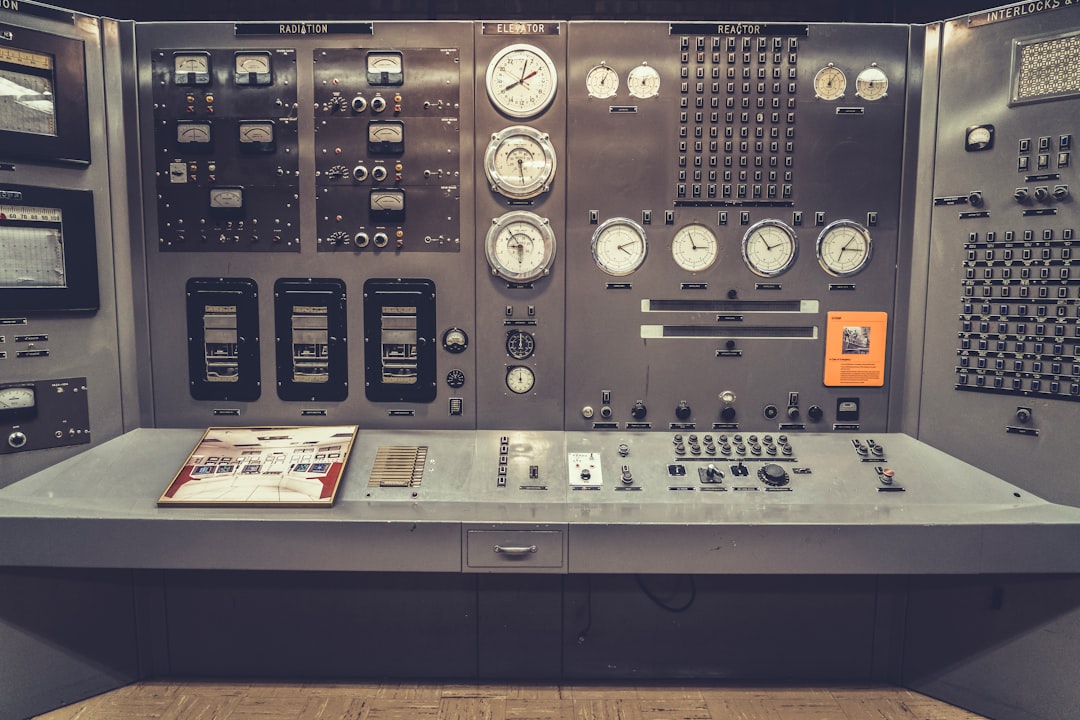
Photograph: Dan Meyers / Unsplash
The moment
It was a routine inspection day in March 2024 at a major nuclear facility near Paris. Andreas Andersson, a senior nuclear safety inspector with over fifteen years of experience, was methodically reviewing maintenance documentation in the plant’s control room. His task was to verify that recent maintenance activities aligned with regulatory compliance and safety protocols. As he cross-referenced the physical work orders with the plant’s digital records, he noticed an inconsistency: the maintenance logs indicated a scheduled replacement of a safety-related valve—specifically, a critical pressure relief valve—had been completed two weeks prior. However, this activity was conspicuously absent from the plant’s computerized maintenance management system (CMMS) and the control system logs.
The control room operators confirmed that no recent valve replacement appeared in their records, nor had the valve been flagged as out of service. The discrepancy raised immediate concern because, in nuclear safety, every safety-critical component’s status must be accurately documented and verified. The potential for an undocumented work event, especially involving a vital safety valve, posed a serious risk. Andreas recognised that this was not a mere clerical oversight; it could be indicative of unlogged maintenance work, which, if unaddressed, might compromise the reactor’s safe operation.
Why years of experience made the difference
Andreas’s ability to identify the significance of this discrepancy stemmed from his extensive familiarity with French nuclear regulatory standards, plant-specific procedures, and his deep understanding of the plant’s operational history. Over his fifteen years, he had cultivated a nuanced sense of how maintenance activities are recorded, verified, and audited in high-stakes environments. His training in the plant’s internal audit procedures emphasized the importance of traceability in documentation—every work order, inspection report, and control system entry must form a coherent, verifiable chain.
Furthermore, Andreas’s experience with the plant’s maintenance practices allowed him to recognize patterns that might escape less seasoned inspectors. For example, he knew that certain safety valves, especially those involved in pressure relief, are subject to strict procedural controls and must be logged with detailed work orders, test results, and approvals. He understood from prior audits that unlogged work often pointed to either procedural lapses or potentially unsafe shortcuts. His familiarity with the plant’s control systems and the standard operating procedures (SOPs) for maintenance verification meant he could systematically cross-check multiple sources of data—physical work orders, digital entries, and control system logs—to detect inconsistencies.
What set Andreas apart was not just his procedural knowledge but his instinct cultivated through years of hands-on inspection and audit experience. This instinct enabled him to see that the missing log was more than an administrative gap; it was a potential indicator of undocumented work that could have safety implications. His detailed understanding of how maintenance should be documented, combined with his pattern recognition skills, allowed him to assess the risk accurately and act accordingly.
What happened next
Recognising the potential severity of the situation, Andreas immediately documented his findings and escalated them through the plant’s internal safety reporting channels. He requested interviews with the maintenance personnel responsible for the valve work, seeking clarification on whether the work had been performed but not logged, or if it had been overlooked altogether. During these interviews, it emerged that a maintenance technician had replaced the valve but, due to a procedural oversight, the work had not been entered into the CMMS before the shift change.
Simultaneously, Andreas collaborated with the control room team to verify the current status of the safety valve. They used the plant’s instrumentation data and visual inspections to confirm that the valve had not been operated or bypassed, but its physical condition and recent work history required further validation. Based on this evidence, a targeted review was initiated, including a detailed audit trail analysis and a physical inspection of the valve.
The subsequent investigation confirmed that the valve had been replaced but the documentation was incomplete. Recognising the potential risk—particularly if the valve had not been tested post-installation—the plant’s maintenance and safety teams performed an expedited verification. They conducted a functional test of the valve, inspected the installation, and reviewed the calibration records. The test results were satisfactory, and the valve’s operation was confirmed to be within safety parameters.
By catching this inconsistency early, Andreas prevented the possibility of an unverified valve operation during reactor operation. Had the valve failed or malfunctioned, it could have triggered a pressure transient, activating safety systems or, in the worst case, leading to a reactor shutdown or safety incident. His prompt actions ensured that the maintenance was properly documented, and any remaining uncertainties were addressed before the reactor resumed normal operation.
What this tells us
This incident exemplifies how meticulous expertise in documentation review and operational procedures can serve as a critical layer of safety in nuclear operations. Andreas’s ability to recognize subtle inconsistencies—rooted in years of experience—prevented a potential safety lapse from escalating into a larger incident. It underscores that in complex technical environments, safety often hinges on the inspector’s capacity to detect the small, seemingly procedural anomalies that, if left unchecked, could have significant consequences. Deep knowledge of the technical, procedural, and regulatory landscape allows professionals like Andreas to act as the vital link between routine oversight and the prevention of safety failures.
- Andreas was trained extensively in the plant’s maintenance documentation audit procedures and French nuclear safety standards.
- He applied systematic cross-referencing of physical work orders, digital logs, and control system records to identify inconsistencies.
- The plant’s safety depended on accurate maintenance records to ensure all safety-critical components functioned correctly during operation.
- He used his knowledge of standard operating procedures (SOPs) and the plant’s CMMS to verify the authenticity of the maintenance logs.
- The early detection and correction of the documentation inconsistency prevented possible valve failure during reactor operation.
| Subject | Andreas Andersson (fictional name) |
| Role | Senior nuclear safety inspector with 15 years of experience specializing in documentation verification and regulatory compliance |
| Location | Paris, France |
| Period | March 2024 |
| Field | Nuclear Safety |
| Region | Europe |
| Outcome | His prompt report prompted a targeted review, revealing that an essential safety valve had not been replaced as scheduled. Corrective action was taken before the valve could fail, preventing a possible transient or safety system activation during operation, thus averting a potential safety incident. |
This is an illustrative composite case inspired by documented patterns of professional practice in Nuclear Safety. Names and identifying details are fictional to protect individual privacy. The techniques, procedures, and field-specific context reflect real professional practice. Written by Oskari Hietala on June 16, 2026. Questions: [email protected].