Trauma surgeon uncovers hidden internal bleed missed by initial scans in Buenos Aires
Dr. Eduardo Díaz, an experienced trauma surgeon in Buenos Aires, identified an atypical internal hemorrhage in a patient after initial scans appeared normal, demonstrating how expert pattern recognition can prevent tragedy in complex trauma cases.

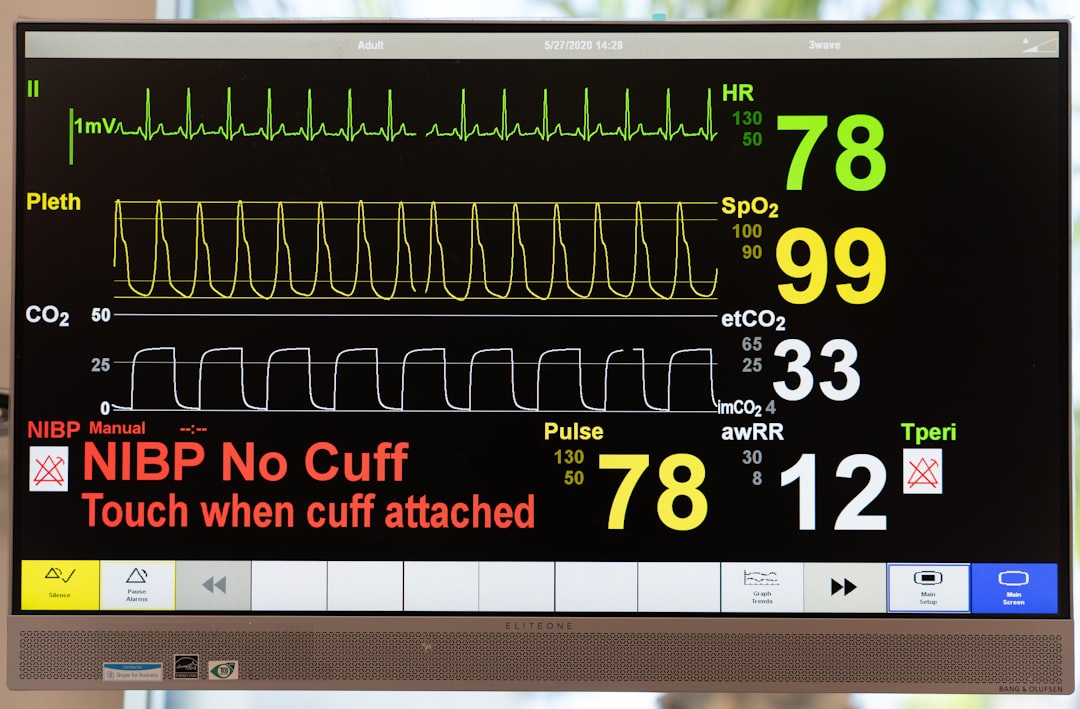
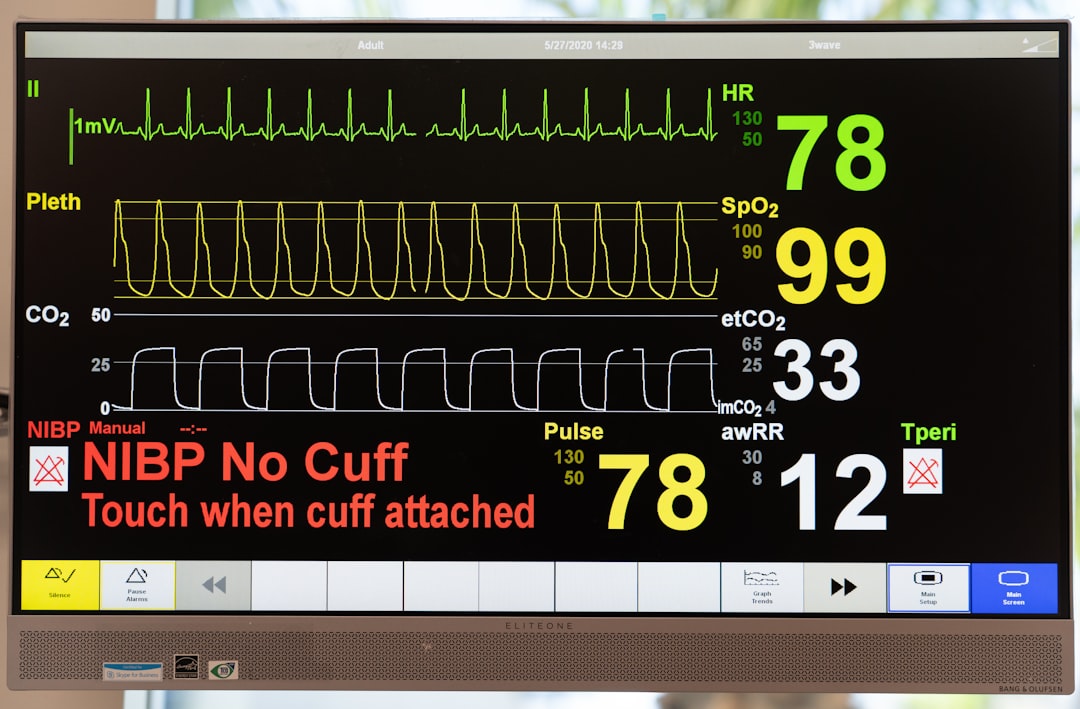
Photograph: Arseny Togulev / Unsplash
The moment
It was late morning in March 2023 at Hospital General de Buenos Aires when Eduardo Díaz was called to the trauma bay. The patient, a 32-year-old male, had been involved in a high-impact car collision about twenty minutes prior. The initial assessment had already commenced—airway secured, breathing supported, cervical spine immobilised, and circulation stabilized with intravenous fluids. The emergency team had performed a Focused Assessment with Sonography for Trauma (FAST), which showed no free fluid in the peritoneal cavity, and a subsequent contrast-enhanced CT scan did not reveal any overt vascular injury or major organ damage. Despite these reassuring findings, the patient remained hypotensive, with systolic blood pressure hovering around 85 mm Hg, and his level of consciousness was gradually declining. His abdomen was tender but not distended; no obvious external bleeding persisted. The situation was tense, and the team faced the challenge of determining whether internal bleeding persisted despite initial negative imaging.
Why years of experience made the difference
For Eduardo Díaz, a trauma surgeon with fifteen years in emergency medicine, this scenario was familiar but complex. His deep familiarity with trauma protocols—particularly Advanced Trauma Life Support (ATLS)—had ingrained a structured approach: rapid assessment, stabilisation, imaging, and definitive care. Yet, what distinguished his response in this case was his extensive experience with atypical presentations of internal bleeding, especially in the retroperitoneal space. Over the years, Díaz had encountered numerous cases where initial scans failed to reveal the full extent of internal hemorrhage, particularly in regions like the retroperitoneum, lumbar musculature, and pelvis.
His pattern recognition was rooted in subtle cues—persistent tachycardia despite fluid resuscitation, evolving abdominal firmness, and laboratory trends such as a declining haemoglobin level or rising lactate. Díaz understood that the retroperitoneal space, with its deep anatomical location and complex vasculature, often masked bleeding on initial imaging. He recognised that certain vascular injuries, such as lumbar artery lacerations, could be elusive, especially if the bleeding was slow or contained initially. His familiarity with these nuances was not merely textbook knowledge but the result of years of managing similar cases, noting which clinical signs consistently correlated with concealed hemorrhage. This accumulated pattern recognition allowed him to see beyond the normal parameters and consider diagnoses that might otherwise be overlooked.
Furthermore, Díaz's experience with advanced diagnostic maneuvers—like diagnostic peritoneal lavage (DPL)—and his skill in reinterpreting imaging with a critical eye, identified subtle clues that others might miss. His confidence in integrating clinical and laboratory data, rather than relying solely on initial imaging, proved crucial in this scenario. This depth of expertise enabled him to anticipate the possibility of a retroperitoneal bleed, even when the scans appeared unremarkable, guiding further diagnostic and therapeutic steps.
What happened next
Recognising the ongoing instability and the inconclusive imaging, Díaz ordered a diagnostic peritoneal lavage to evaluate ongoing intra-abdominal bleeding. The lavage yielded gross blood, confirming that bleeding was still active despite initial negative scans. He then led a focused re-examination of the CT images, paying particular attention to the retroperitoneal area and the lumbar vascular structures. His detailed review revealed subtle hyperdensities along the course of a lumbar artery—an area often overlooked in standard trauma scans due to its deep location and complex anatomy.
Armed with this insight, Díaz made the decision to proceed with a targeted surgical intervention. He coordinated with the vascular surgery team for a lateral lumbar artery ligation and retroperitoneal exploration. During surgery, they identified a laceration of a lumbar artery branch, which was actively bleeding into the retroperitoneal space. The bleeding was controlled with ligation, and hemostasis was confirmed through direct visualization and intraoperative Doppler assessment.
Thanks to these timely, expert decisions, the patient’s haemodynamic status stabilised. Postoperative recovery was uneventful, with only moderate complications—primarily related to transient renal hypoperfusion—resolved with appropriate supportive care. The patient survived without progressing to multi-organ failure or critical deterioration. This outcome was largely due to Díaz’s ability to integrate subtle clinical cues with his deep knowledge of trauma patterns and vascular anatomy, allowing for rapid, precise intervention before the situation could worsen.
What this tells us
This case underscores the critical importance of expert pattern recognition in trauma care—an ability developed through extensive experience and deep understanding of injury mechanisms, anatomy, and subtle clinical signs. While imaging technologies are invaluable, they are not infallible, especially in complex regions like the retroperitoneum. The capacity to interpret persistent clinical signs, laboratory trends, and nuanced imaging findings—integrated with a thorough knowledge base—can mean the difference between life and death. It highlights that in emergency medicine, technical skills must be complemented by seasoned clinical judgment, cultivated over years of managing the unpredictable realities of trauma.
- The patient’s initial imaging failed to detect a retroperitoneal bleed, a known challenge in trauma diagnostics due to the area’s deep location and complex anatomy.
- Dr. Díaz's training in advanced trauma life support (ATLS) and familiarity with atypical hemorrhage patterns enabled him to interpret subtle clinical cues beyond imaging results.
- Delayed recognition of internal bleeding in trauma patients can rapidly lead to hypovolemic shock and death, emphasizing the importance of expert pattern recognition.
- Instead of relying solely on initial scans, Dr. Díaz integrated clinical signs, laboratory trends, and his experience to guide further diagnostics.
- Early surgical intervention based on these insights prevented the patient's deterioration and preserved life.
| Subject | Eduardo Díaz (fictional name) |
| Role | Trauma surgeon, 15 years at Hospital General de Buenos Aires |
| Location | Buenos Aires, Argentina |
| Period | March 2023 |
| Field | Emergency Medicine |
| Region | Latin America |
| Outcome | By promptly identifying a retroperitoneal hematoma caused by a lumbar artery injury, which had been missed on initial scans, Dr. Díaz facilitated targeted surgical intervention. The patient survived the trauma with only moderate complications, avoiding potential multi-organ failure or death. |
This is an illustrative composite case inspired by documented patterns of professional practice in Emergency Medicine. Names and identifying details are fictional to protect individual privacy. The techniques, procedures, and field-specific context reflect real professional practice. Written by Helena Korhonen on July 16, 2026. Questions: [email protected].