Trauma Surgeon Detects Hidden Internal Bleed Missed by Initial CT Scan
Leila Al-Masri, an experienced trauma surgeon in Riyadh, identified an atypical internal bleed in a patient after initial scans failed to reveal the injury, demonstrating how expert pattern recognition can prevent tragedy.
Photograph: Martha Dominguez de Gouveia / Unsplash
The moment
In March 2024 at Riyadh Central Hospital’s emergency department, Leila Al-Masri was overseeing a high-volume trauma resuscitation. A 42-year-old male patient had been brought in following a high-impact motor vehicle collision. He was alert on arrival, with stable vital signs—blood pressure around 125/80 mm Hg, heart rate 88 beats per minute, respiratory rate 16, and oxygen saturation at 98%. Initial assessment showed significant abdominal pain and tenderness, particularly in the right lower quadrant, but no external bleeding or obvious signs of trauma. The trauma team immediately performed a Focused Assessment with Sonography for Trauma (FAST), which was negative for free fluid, and a contrast-enhanced computed tomography (CT) scan confirmed no active bleeding or organ rupture. The patient was admitted for conservative management, with close monitoring.
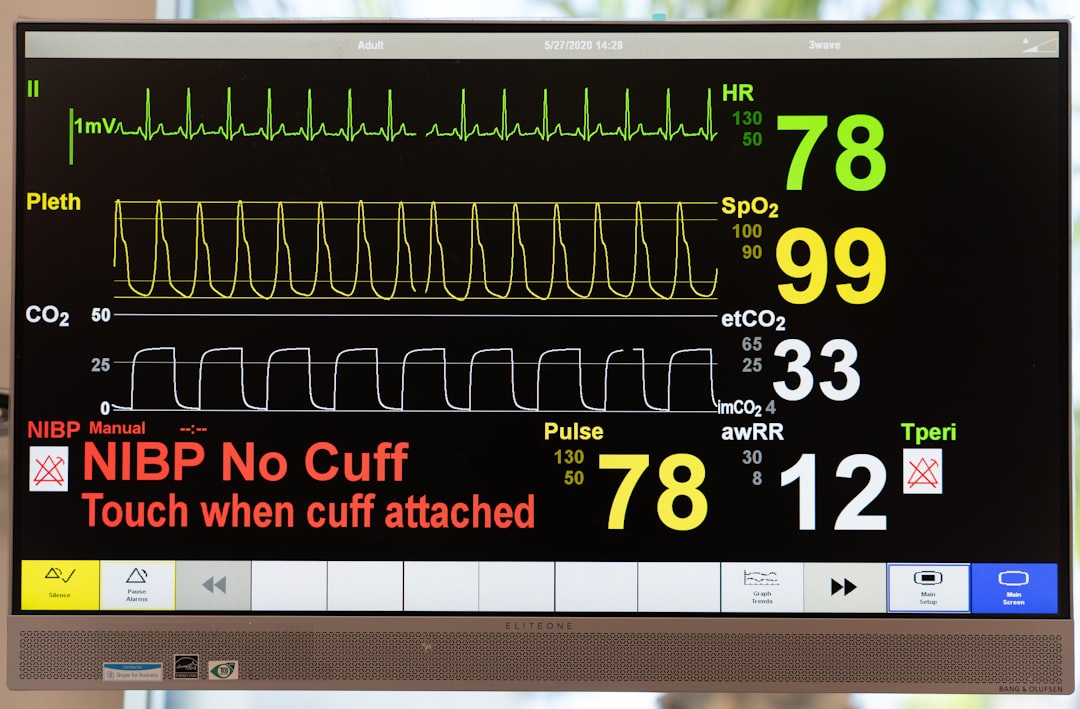
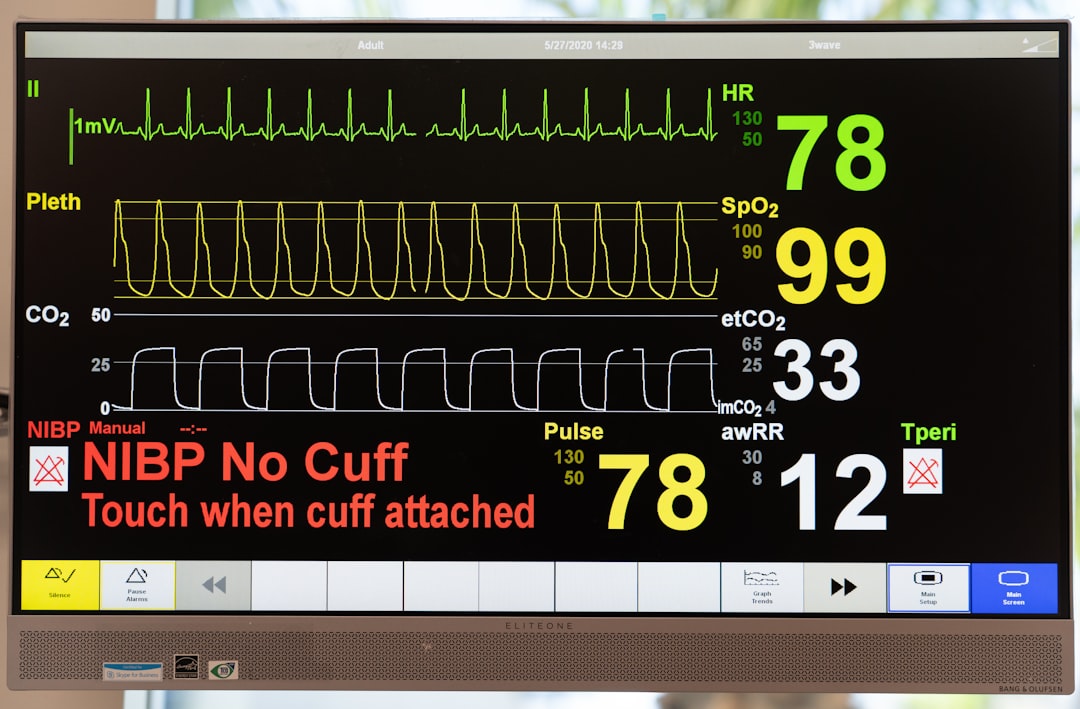
However, over the subsequent hours, subtle changes became apparent. Despite initial stability, the patient’s blood pressure gradually decreased—first to 110/70 mm Hg, then to 100/65 mm Hg—accompanied by increasing abdominal tenderness and pallor. Physical examination revealed persistent rebound tenderness and guarding, particularly in the lower abdomen. Leila, observing these signs, recognised that the clinical picture was evolving, even though the initial imaging was reassuring. Her experience told her that some bleeding sources could be elusive on early scans, especially in cases involving venous injuries or mesenteric tears, which are sometimes poorly visualised.
Why years of experience made the difference
Leila’s 15 years of trauma practice had honed her capacity for pattern recognition and subtle clinical judgment—skills that textbooks cannot fully teach. She was well-versed in the limitations of FAST and contrast-enhanced CT scans, understanding that certain internal injuries, particularly venous or mesenteric hemorrhages, can be occult in initial imaging. Her familiarity with trauma protocols, such as Advanced Trauma Life Support (ATLS), emphasised the importance of integrating physical findings with physiological trends rather than relying solely on imaging.
Her experience had shown her that persistent or worsening hypotension, even if initially stable, was a red flag for ongoing bleeding. She had encountered cases where early imaging failed to reveal the bleeding source, yet clinical deterioration indicated the need for further investigation. Over years, she developed an intuitive sense for when to escalate from conservative management to surgical exploration, based on subtle cues like changing vital signs, tenderness patterns, and the trajectory of the patient’s haemodynamic stability. Her decision-making was rooted in a deep understanding that trauma is often a dynamic process—what appears stable at one moment can deteriorate rapidly if the bleeding source is not identified and controlled.
Leila’s pattern recognition was reinforced by her familiarity with internal injury mechanisms. For example, she knew that mesenteric venous tears or small venous plexus injuries might not produce immediate large-volume bleeding detectable on initial scans but could cause a slow bleed that manifests as delayed hypotension. Her mental repository of similar cases and outcomes allowed her to anticipate the potential for concealed hemorrhage, guiding her to consider diagnostic procedures beyond initial imaging.
What happened next
Recognising the concerning trend, Leila ordered a diagnostic peritoneal lavage (DPL), which quickly revealed the presence of blood in the peritoneal cavity despite the negative initial scans. The decision was to proceed with an urgent exploratory laparotomy. During surgery, Leila carefully examined the entire abdominal cavity, paying special attention to the mesentery and vessels. She identified a bleeding mesenteric vein, which was actively oozing but not yet causing widespread haemorrhagic shock. Using vascular ligatures, she controlled the bleeding, ensuring no further haemorrhage would ensue.
The surgical intervention was swift and methodical, guided by her years of intraoperative decision-making. Post-operatively, the patient was transferred to intensive care, where close haemodynamic monitoring confirmed stabilization. Over the following days, he recovered fully, with no signs of ongoing bleeding or organ compromise. The timely recognition of occult hemorrhage and decisive surgical management prevented a potentially fatal deterioration, demonstrating how expert clinical judgment can alter patient trajectories when imaging alone might be insufficient.
What this tells us
This case underscores the critical role of clinical expertise and pattern recognition in trauma management. Even with advanced imaging modalities, some internal injuries—particularly venous or mesenteric sources—may remain hidden initially. An experienced clinician’s ability to interpret subtle physiological and physical signs, combined with an understanding of trauma pathophysiology and limitations of diagnostics, remains indispensable. It highlights that in emergency medicine, technical skills must be complemented by seasoned judgment—an asset that can be the difference between life and death when standard assessments fall short.
- Initial scans, including FAST and contrast-enhanced CT, failed to reveal the bleeding source, a known limitation in detecting certain internal hemorrhages.
- Leila’s training included advanced trauma life support (ATLS) protocols and experience with intraoperative decision-making under pressure.
- The patient was at risk of exsanguination if the bleeding was not identified promptly, emphasizing the stakes involved.
- Leila combined her pattern recognition skills with real-time assessment of vital signs and physical findings to suspect an occult bleed.
- Timely surgical intervention resulted in the patient’s stabilization and full recovery, avoiding potential multi-organ failure.
| Subject | Leila Al-Masri (fictional name) |
| Role | Trauma surgeon, 15 years at Riyadh Central Hospital |
| Location | Riyadh, Saudi Arabia |
| Period | March 2024 |
| Field | Emergency Medicine |
| Region | Middle East & Africa |
| Outcome | Leila’s suspicion led to an emergency laparotomy where she identified and ligated a bleeding mesenteric vein, preventing further deterioration. The patient recovered fully after surgical intervention, illustrating the critical importance of clinical judgment in trauma care when imaging is inconclusive. |
This is an illustrative composite case inspired by documented patterns of professional practice in Emergency Medicine. Names and identifying details are fictional to protect individual privacy. The techniques, procedures, and field-specific context reflect real professional practice. Written by Helena Korhonen on July 17, 2026. Questions: [email protected].