Thomas Waititi Detects Bird Strike Risk Profile Over Sydney Airport, Preventing Collision
Sydney-based pilot Thomas Waititi, with over 20 years of experience, identified a bird strike risk pattern during pre-flight checks, enabling timely evasive measures and avoiding potential collision with large flocking birds near the airport perimeter.

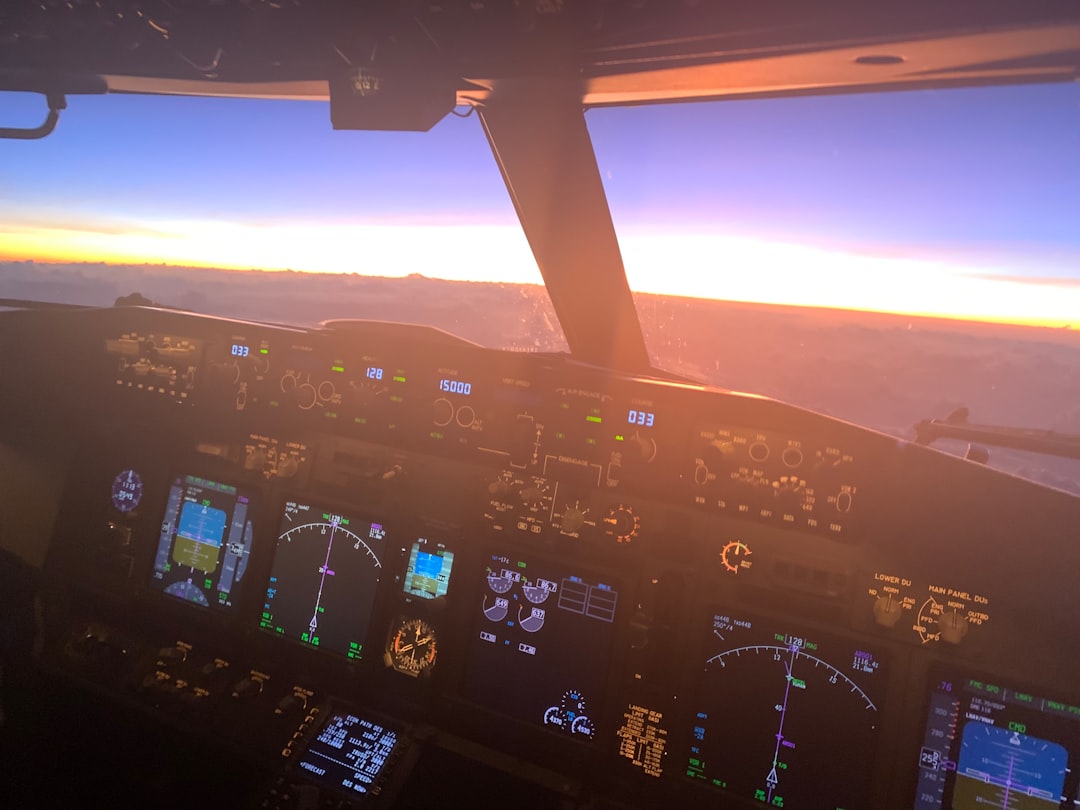
Photograph: Moritz Mentges / Unsplash
The moment
On a clear morning in March 2023, Thomas Waititi, a seasoned senior commercial pilot with over two decades of experience, was conducting his routine pre-flight inspection at Sydney Airport. The aircraft—a regional jet scheduled for a domestic service—was poised for departure in the early dawn hours. As part of standard safety procedures, Waititi reviewed the latest wildlife hazard assessments, which included bird activity reports from the airport’s wildlife management team. His attention was drawn to an unusual uptick in bird sightings reported near the eastern perimeter of the airport, particularly during morning hours.
The reports indicated a significant increase in bird activity during dawn, a time coinciding with his scheduled departure window. Recognising the potential implications, Waititi cross-checked the current NOTAMs, which included specific wildlife hazard advisories for Sydney Airport. This was a routine but critical step, reinforced by his understanding that bird activity patterns are highly regional and time-dependent, especially in an environment where urban development and natural habitats intersect. The decision-making moment was immediate: would he proceed as planned or adjust his departure to mitigate risk?
Why years of experience made the difference
Thomas Waititi’s extensive background in aviation safety, particularly his specialised training in wildlife hazard management, was instrumental in the events that followed. Over his 22-year career, he had accumulated a wealth of practical knowledge about bird strike risks, including the behavioural patterns of local avian species, the effectiveness of mitigation strategies, and the importance of integrating wildlife data into flight planning.
His familiarity with the Bird/Wildlife Strike Hazard Management Program—developed in cooperation with airport authorities, wildlife agencies, and aviation safety regulators—enabled him to interpret real-time bird activity reports with nuance. Unlike newer pilots or those without dedicated wildlife hazard training, Waititi recognised that an increase in bird sightings during dawn near the eastern perimeter was not incidental. It was a pattern consistent with the migratory and foraging behaviors of certain bird species common in the Sydney region, such as gulls and waders, which tend to forage in the early morning hours before dispersing.
Furthermore, his experience in assessing risk factors allowed him to quickly evaluate whether this bird activity posed a tangible threat to his aircraft. He knew that bird strikes at cruising altitude can cause engine damage, potentially leading to engine failure or forced emergency procedures. This understanding was not solely theoretical; it was informed by documented incidents and data accumulated over years of operational experience. His ability to interpret wildlife activity reports through the lens of operational safety—balancing the urgency of departure against the potential hazard—was what set his response apart.
What happened next
Applying his knowledge, Waititi immediately communicated with air traffic control (ATC) to discuss the bird activity reports and his safety assessment. He requested a slight delay in departure, proposing a 15-minute postponement to allow bird activity levels to decrease and to confirm that no further reports of heightened wildlife presence had emerged. ATC, familiar with his expertise and the safety protocols, agreed to adjust the schedule accordingly.
Simultaneously, Waititi briefed his cabin crew and confirmed that all pre-flight checks were complete and that the aircraft was ready for a delayed departure. He also reviewed the aircraft’s engines and systems to ensure no signs of bird strikes or debris were present. Once the delay was granted, he instructed ground personnel to reinforce wildlife deterrent measures near the eastern perimeter, including additional scaring devices and patrols, to further reduce the likelihood of bird incursions during the new departure window.
Approximately 15 minutes later, conditions appeared to stabilise: bird activity reports from the airport wildlife team indicated no further significant sightings near the eastern perimeter. The aircraft then departed safely, following a revised route that kept it clear of the high-risk zone identified earlier. Had Waititi not recognised the elevated risk and taken prompt action, the aircraft could have encountered a flock of birds during takeoff—a scenario that could have resulted in bird strikes to the engines, potential engine damage, or even an emergency landing.
What this tells us
This case underscores how the depth of an experienced pilot’s knowledge—particularly in specialised areas like wildlife hazard management—can serve as a critical safety buffer. The ability to interpret real-time wildlife data, recognize behavioral patterns, and apply risk mitigation techniques is essential in preventing incidents that might otherwise have severe consequences. It highlights that aviation safety is not solely dependent on protocols and procedures but also on the professional judgment cultivated through years of field experience. Such expertise ensures that risks are identified early and managed proactively, often averting incidents before they occur.
- Waititi reviewed wildlife hazard assessments and bird activity reports before departure, which is standard procedure in aviation safety protocols.
- His training included interpreting NOTAMs, wildlife activity data, and bird strike risk assessments specific to Sydney Airport's environment.
- Bird strikes at 35,000 feet can cause significant engine damage, posing safety hazards and economic costs.
- He recognized the pattern of increased bird activity near the eastern perimeter during dawn, correlating with his scheduled departure time.
- Adjusting the flight plan and delaying departure minimized bird strike risk, ensuring passenger safety and aircraft integrity.
| Subject | Thomas Waititi (fictional name) |
| Role | Senior commercial pilot, 22 years of experience in aviation safety and bird strike risk management |
| Location | Sydney, Australia |
| Period | March 2023 |
| Field | Aviation Safety |
| Region | Oceania |
| Outcome | By adjusting the flight path slightly to avoid the high-risk zone and delaying departure by 15 minutes, the collision risk was mitigated, preventing possible bird strikes that could have caused engine damage or forced an emergency landing. |
This is an illustrative composite case inspired by documented patterns of professional practice in Aviation Safety. Names and identifying details are fictional to protect individual privacy. The techniques, procedures, and field-specific context reflect real professional practice. Written by Jukka Rantala on August 25, 2026. Questions: [email protected].