Structural Engineer Detects Load-Path Disruption During Building Construction, Preventing Structural Failure
Daniel Martinez, a seasoned structural engineer in Houston, identified a critical load-path inconsistency during a high-rise's framing stage, preventing potential collapse and ensuring occupant safety through precise analysis and intervention.

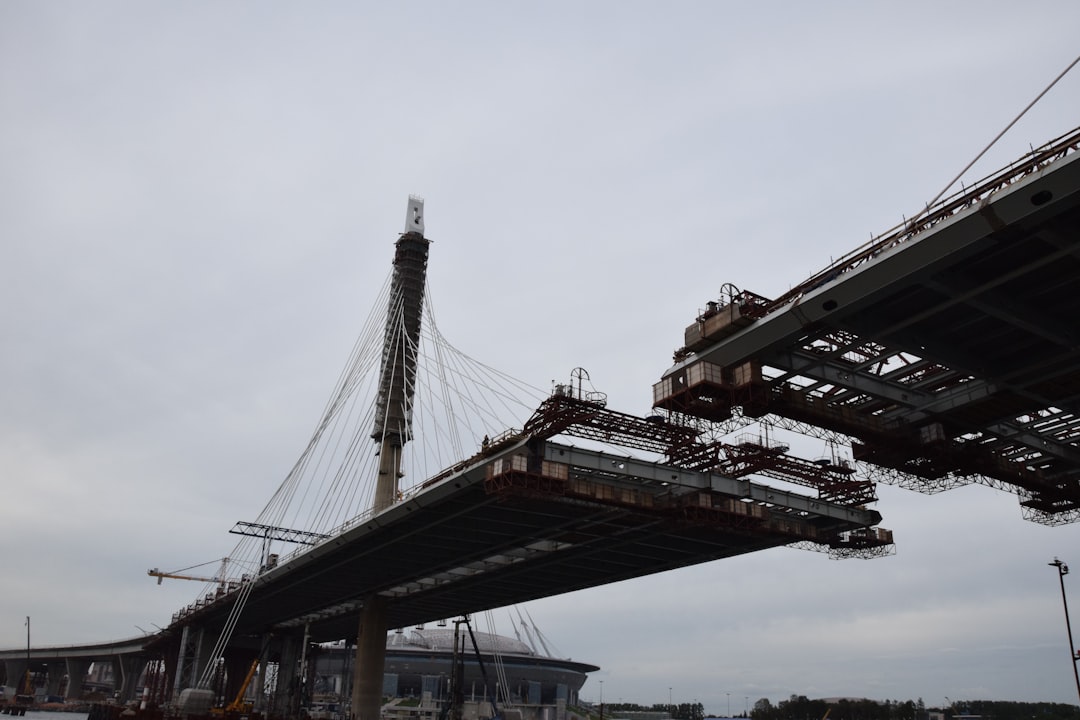
Photograph: Lucas van Oort / Unsplash
The moment
In March 2023, during the early phases of constructing a 20-storey commercial building in Houston, Daniel Martinez was engaged in his routine review of the structural design documents. As a senior structural engineer with over a decade of experience, he was accustomed to scrutinising calculations, but this day’s review revealed an inconsistency that warranted immediate attention. While examining the integration of reinforced concrete shear walls with steel moment frames—components critical for resisting lateral loads—Daniel noticed that the load transfer paths indicated in the structural analysis did not align with the detailed construction drawings. Specifically, the load path from the steel beams to the concrete shear walls appeared incomplete, raising concerns about the building’s ability to withstand seismic and wind loads.
The project was at a pivotal stage: steel erection was underway, and the coordination between steel and concrete elements was crucial for ensuring structural integrity. Any oversight at this juncture could have led to progressive failure, especially under lateral forces, which are inherently demanding for high-rise structures. Daniel recognised that this was a moment where his expertise could prevent a potential hazard, and he knew that early intervention was essential.
Why years of experience made the difference
Daniel’s ability to identify the load-path irregularity stemmed from a blend of technical mastery and practical intuition developed over his 12 years in structural engineering. His familiarity with industry standards such as ACI 318 (Building Code Requirements for Structural Concrete) and ASCE 7 (Minimum Design Loads for Buildings and Other Structures) provided a framework for assessing load transfer adequacy. However, it was his nuanced understanding of how load paths behave in complex, irregular geometries that proved decisive.
Throughout his career, Daniel had gained extensive hands-on experience with finite element modeling using SAP2000, a software tool he had mastered through rigorous application on numerous projects. This familiarity enabled him to interpret analysis results critically, recognising when models might oversimplify or omit critical load transfer mechanisms. For instance, he knew that in high-rise construction, beams and columns must form continuous load paths to prevent local failures from escalating. His pattern recognition, forged by years of reviewing construction documents, structural calculations, and field conditions, allowed him to see subtle discrepancies that less experienced engineers might overlook.
Further, Daniel’s deep understanding of the behaviour of reinforced concrete and steel interactions in seismic zones meant he could anticipate how small misalignments could compromise the entire lateral load-resisting system. His mental library of past issues—such as improper load transfer at beam-to-column interfaces or shear wall reinforcements—enabled him to connect the dots quickly and accurately. This pattern recognition, rooted in years of practical exposure, elevated his review from a routine check to a critical safety assessment.
What happened next
Recognising the significance of the load-path discrepancy, Daniel immediately documented his findings. He cross-checked the initial structural analysis models against the detailed construction drawings, focusing on the critical regions where steel beams connect to concrete shear walls. Using SAP2000, he performed a finite element analysis specifically on these interfaces, simulating the effects of seismic and wind loads. The results confirmed that the existing design did not ensure continuous load transfer—some load paths were discontinuous or misaligned, creating potential stress concentrations during lateral loading.
He promptly reached out to the project’s structural design team and the construction manager, presenting his findings with detailed analysis reports. His recommendations included reinforcing certain beam-to-column connections with additional shear reinforcement, adjusting the placement of reinforcement bars within the concrete walls, and implementing temporary load transfer measures during construction to mitigate risk. These suggested modifications, though not extensive, were critical to ensuring the load paths remained continuous and resilient.
Following these discussions, the design team revised the structural details accordingly. The construction crew was instructed to implement the reinforcement adjustments during ongoing steel erection. Throughout this process, Daniel maintained close communication, verifying that the modifications conformed to the updated design and industry standards. His vigilance and technical input prevented potential failure modes that could have resulted in structural damage, costly repairs, or even safety hazards during occupancy. The project continued without delay, and the building was completed safely, meeting or exceeding all seismic and wind load requirements.
What this tells us
This case illustrates how deep, experiential understanding of structural behaviour can be pivotal in identifying subtle but critical issues before they evolve into failures. Daniel’s capacity to interpret analysis results within the context of real-world construction practices, combined with his familiarity with industry standards, exemplifies how professional expertise acts as a safeguard. It underscores the importance of thorough review and critical thinking—skills honed through years of practical engagement—that can prevent potentially catastrophic consequences in high-stakes projects.
- Daniel identified a misaligned load transfer path during a routine review of structural calculations and construction documents.
- He relied on finite element analysis software (like SAP2000) and manual calculations to verify load paths and check for compliance with seismic and wind load standards.
- The construction site was at a critical stage where incorrect load paths could have caused progressive failure during occupancy or a seismic event.
- He cross-checked the structural drawings against the original design assumptions and performed a detailed review of the steel moment frames and concrete shear walls.
- His intervention prevented a potential collapse, saving millions in repair costs and avoiding project delays.
| Subject | Daniel Martinez (fictional name) |
| Role | Senior Structural Engineer with 12 years of experience specializing in reinforced concrete and steel frame design |
| Location | Houston, United States |
| Period | March 2023 |
| Field | Structural Engineering |
| Region | North America |
| Outcome | By flagging the load-path issue early, Daniel prompted a redesign of certain beam-to-column connections, averting a potential structural failure that could have led to costly delays and safety hazards. The building was completed safely and met all seismic and wind load requirements. |
This is an illustrative composite case inspired by documented patterns of professional practice in Structural Engineering. Names and identifying details are fictional to protect individual privacy. The techniques, procedures, and field-specific context reflect real professional practice. Written by Sari Nieminen on September 2, 2026. Questions: [email protected].