Rapid Recognition of Meningitis by Wellington Emergency Doctor Saves Child’s Life
Dr. Samuel Brown, an experienced pediatric emergency physician in Wellington, identified meningitis within minutes of a child's arrival, enabling immediate treatment and preventing severe neurological damage or death.
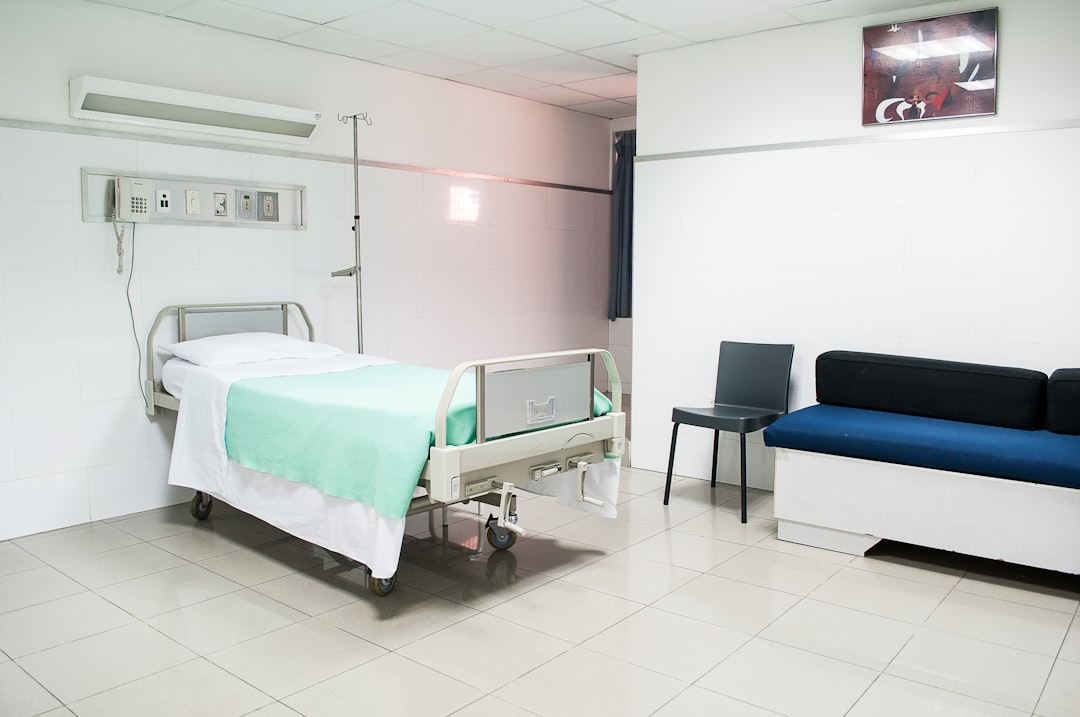
Photograph: Martha Dominguez de Gouveia / Unsplash
The moment
It was a busy weekday afternoon in March 2024 at Wellington Regional Hospital’s Emergency Department. A 4-year-old girl was brought in by her parents, visibly distressed and lethargic. She had been unwell for about 12 hours, initially with a high fever that spiked rapidly, reaching 39.5°C. Over the past few hours, her condition worsened: she exhibited neck stiffness, was less responsive to verbal stimuli, and appeared disoriented. Her parents reported that she had been irritable, refused fluids, and was vomiting. The triage nurse alerted the emergency team, noting the severity of her presentation.
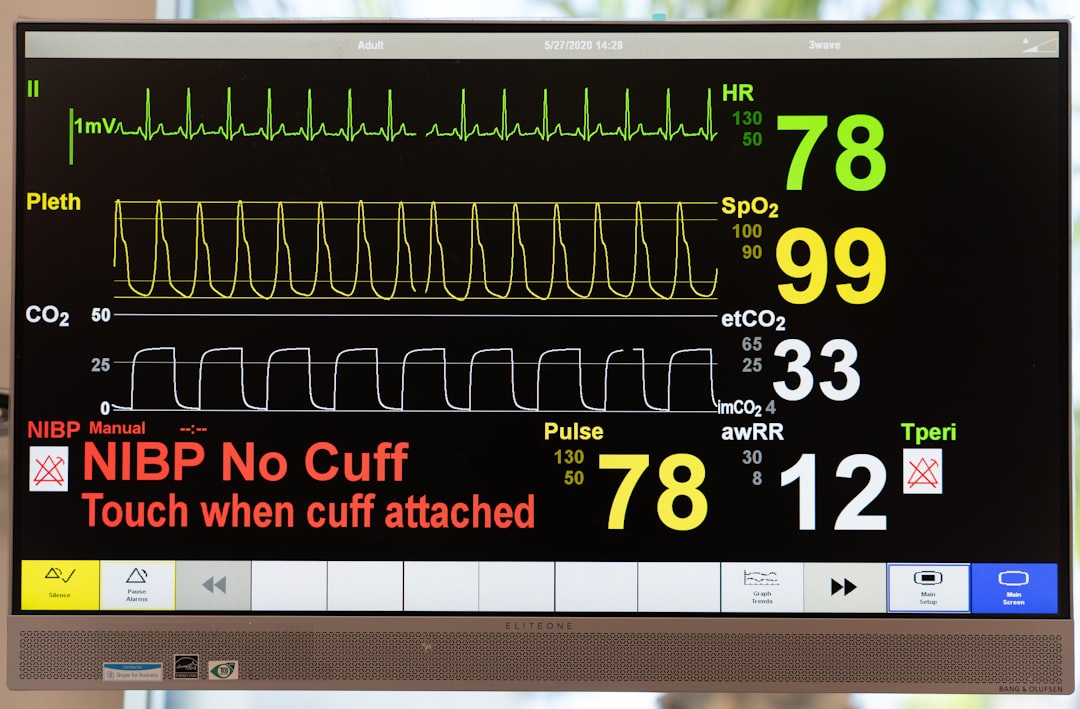
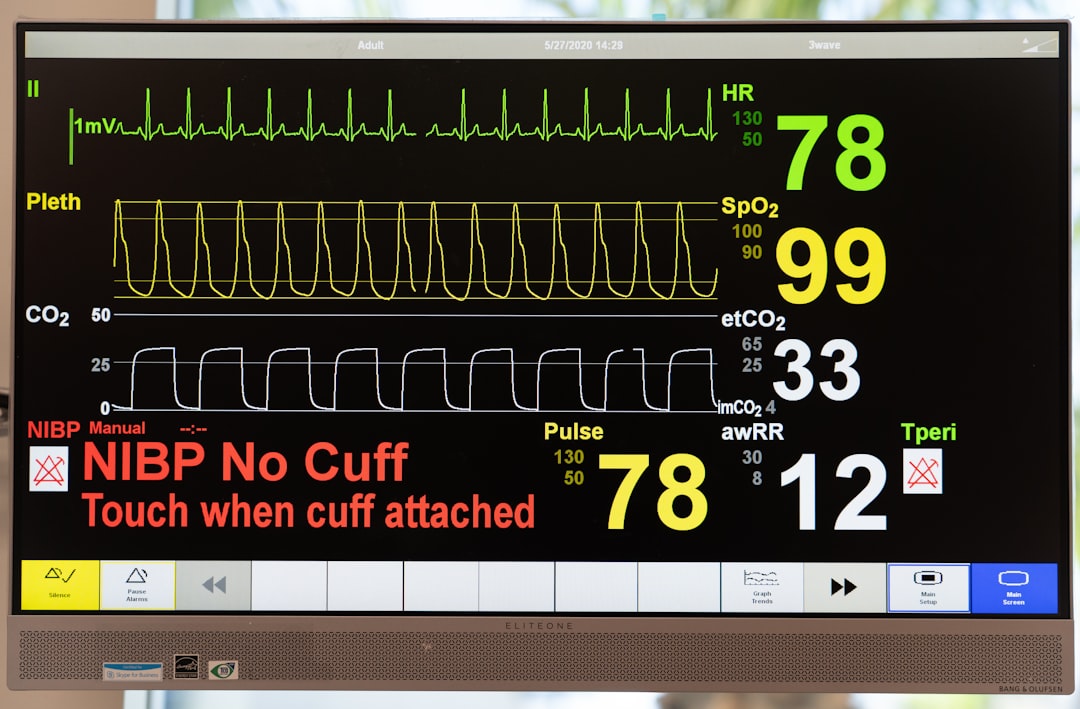
Within moments, Dr. Samuel Brown, a pediatric emergency physician with over 12 years of experience at Wellington, entered the bay. As he approached, he quickly reviewed her vital signs: a temperature of 39.2°C, a pulse rate elevated at 130 beats per minute, respiratory rate of 28, and an altered level of consciousness marked by sluggish responsiveness. The clinical picture was urgent, suggesting a possible central nervous system infection. Time was of the essence.
Why years of experience made the difference
Dr. Brown’s extensive experience in pediatric emergency medicine had ingrained in him the importance of rapid, precise assessment in cases that could deteriorate swiftly. His years of practice had sharpened his ability to recognize subtle signs of meningitis—signs that might be missed or misinterpreted by less seasoned clinicians. For instance, he was familiar with the nuances of meningeal irritation in children, knowing that signs such as neck stiffness are often difficult to elicit in young children but can be identified through specific clinical maneuvers.
He relied on his well-developed mental library of patterns: noticing that the combination of high fever, altered mental status, and neck stiffness strongly indicated meningitis, especially in a child of this age. His training emphasized bedside neuro-assessment skills—quickly performing the Kernig and Brudzinski signs, which, despite their limitations, remain useful in the emergency setting. Over the years, Dr. Brown had seen how early recognition of these signs, combined with an understanding of the rapid progression of bacterial meningitis, could dramatically influence outcomes. His familiarity with protocols for pediatric neuro-assessment enabled him to act decisively without waiting for extensive diagnostics.
Moreover, his knowledge of the local epidemiology and institutional protocols meant he was prepared to initiate empiric treatment immediately. Years of experience had also taught him how to communicate effectively with families under stress, ensuring they understood the urgency without causing additional panic. All of this—pattern recognition, procedural familiarity, swift decision-making—stemmed from his accumulated expertise.
What happened next
Recognising the signs of meningeal irritation, Dr. Brown performed a focused neurological examination. He gently assessed the child’s neck for stiffness, noting limited passive movement, and performed the Kernig and Brudzinski signs. The Kernig sign was positive: when attempting to extend the child's knee with her hip flexed, her resistance increased, and she cried out. The Brudzinski sign was also present: passive flexion of her neck elicited involuntary hip and knee flexion. These signs, while not definitive alone, added to the clinical suspicion of meningitis.
Simultaneously, Dr. Brown ordered immediate blood tests, including a complete blood count, blood cultures, and inflammatory markers, while preparing for a bedside lumbar puncture. Recognising the urgency, he administered a broad-spectrum empiric intravenous antibiotic—ceftriaxone—within 15 minutes of her arrival, following institutional protocol for suspected bacterial meningitis. He ensured the child was stabilized with oxygen and IV fluids before proceeding. The lumbar puncture was performed swiftly once the child was sufficiently stabilized, using sterile technique and bedside ultrasound guidance to optimise success and minimise discomfort. Cerebrospinal fluid (CSF) analysis was initiated immediately, with subsequent laboratory results confirming bacterial meningitis—most likely caused by Streptococcus pneumoniae.
The rapid initiation of antibiotics and prompt CSF diagnosis facilitated targeted management. The child was transferred to the paediatric intensive care unit for close monitoring, but her condition stabilized quickly. Early antibiotic therapy prevented the development of complications such as brain swelling, hydrocephalus, or neurological deficits. She was monitored for potential adverse effects of treatment and received supportive care, including anticonvulsants and hydration. Over the next few days, her neurological status improved, and she was discharged with no long-term sequelae.
What this tells us
This case exemplifies how deep clinical expertise—built through years of focused practice—can critically influence outcomes in emergency medicine. Recognising subtle signs, knowing when and how to perform bedside assessments like Kernig and Brudzinski, and making rapid decisions about empiric treatment are skills refined through experience. In pediatric emergencies where conditions like meningitis can escalate within hours, such expertise transforms clinical suspicion into swift, effective action. It underscores that in high-stakes settings, technical skill combined with pattern recognition and decisive intervention are essential in saving lives and preventing long-term harm.
- The child's presentation included classic signs: neck stiffness, fever, and altered mental state, prompting immediate suspicion of meningitis.
- Dr. Brown’s training emphasized quick bedside assessment techniques and familiarity with pediatric neurological signs, facilitating rapid recognition.
- Meningitis can progress rapidly in children, risking death or permanent disability if not promptly treated.
- He utilized bedside clinical examination and prioritized immediate empiric antibiotic therapy before confirmatory tests.
- Timely diagnosis and intervention averted serious neurological injury and improved the child's prognosis.
| Subject | Samuel Brown (fictional name) |
| Role | Pediatric emergency physician, 12 years at Wellington Regional Hospital |
| Location | Wellington, New Zealand |
| Period | March 2024 |
| Field | Emergency Medicine |
| Region | Oceania |
| Outcome | The child received empiric intravenous antibiotics within 15 minutes, confirmed by a rapid lumbar puncture and CSF analysis. Early intervention prevented potential complications such as brain swelling or long-term neurological deficits, and the child was discharged after full recovery. |
This is an illustrative composite case inspired by documented patterns of professional practice in Emergency Medicine. Names and identifying details are fictional to protect individual privacy. The techniques, procedures, and field-specific context reflect real professional practice. Written by Petri Aho on July 22, 2026. Questions: [email protected].