Epidemiologist Detects Cluster in Hospital Data, Preventing Nationwide Outbreak
Ingrid Dubois, a seasoned epidemiologist in Amsterdam, identified a concerning cluster of atypical pneumonia cases through routine hospital surveillance, enabling early intervention that prevented a potential outbreak across the Netherlands.
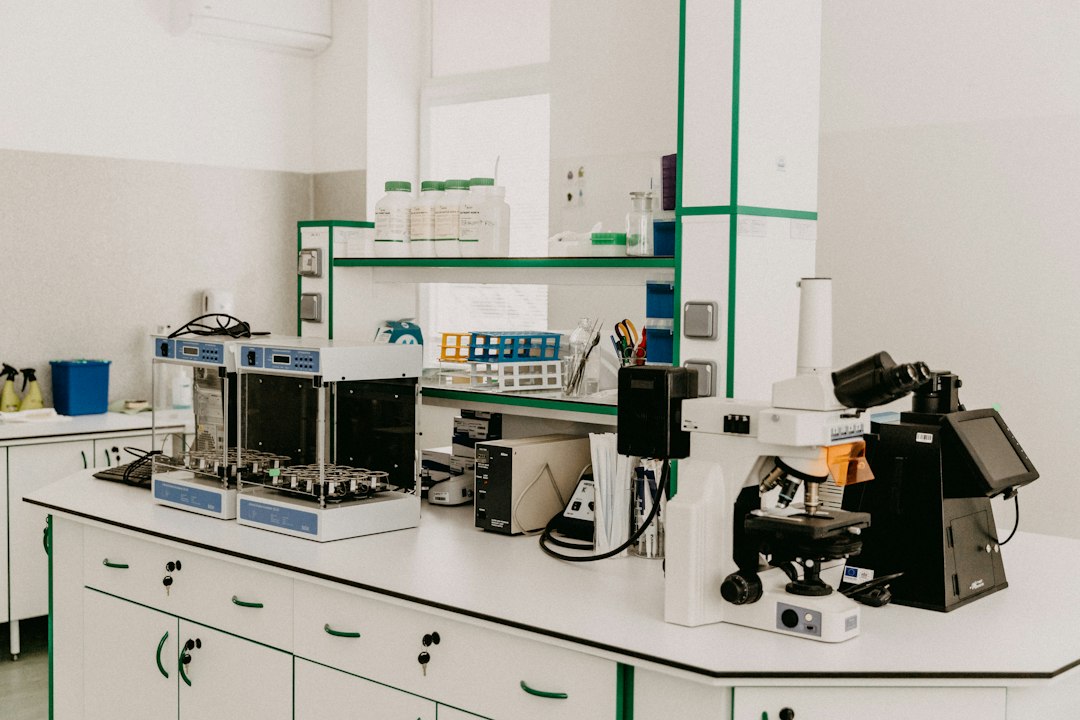
Photograph: Trnava University / Unsplash
The moment
In early March 2024, within the public health surveillance unit in Amsterdam, Ingrid Dubois was engaged in her routine weekly review of hospital admission data. Her focus was on tracking trends in respiratory illnesses, particularly pneumonia, which remains a persistent concern during the winter months. As she examined the latest aggregate reports from multiple hospitals, she noticed an unusual pattern: a slight but statistically significant increase in severe pneumonia cases presenting with atypical symptom profiles, such as disproportionate gastrointestinal symptoms and higher-than-normal ICU admissions.
The cases were geographically dispersed across several hospital districts, yet they shared a common demographic pattern—primarily middle-aged adults with no pre-existing conditions and appearing across different socioeconomic backgrounds. Normally, such sporadic cases would be considered random variation or seasonal fluctuation. However, Ingrid’s trained eye picked up on the subtle signals that suggested otherwise. The clustering, combined with the unusual presentation, warranted further investigation.
Why years of experience made the difference
Ingrid’s twelve years as a public health epidemiologist specializing in infectious disease surveillance had equipped her with a nuanced understanding of disease patterns and the statistical tools necessary to detect early signals of emerging threats. Her familiarity with the local healthcare data infrastructure meant she could quickly access real-time hospital electronic health record (EHR) data, enabling rapid analysis without waiting for delayed reporting.
Her expertise extended beyond basic trend analysis; she was proficient in applying statistical process control methods such as Shewhart control charts to monitor incidence rates over time. These charts allow for distinguishing true outbreaks from normal variability by setting control limits based on historical data. When she observed the pneumonia cases rising above the upper control limit in the Shewhart charts, she recognised a potential anomaly rather than dismissing it as random fluctuation.
Additionally, Ingrid had extensive experience with spatial-temporal analysis software like SaTScan. This tool enables epidemiologists to detect statistically significant clusters considering both geographic location and time. Her previous work with such tools had trained her to interpret their outputs accurately, recognising when a cluster was unlikely due to chance—particularly when multiple hospitals across different districts showed concurrent increases. This expertise allowed her to move swiftly from initial detection to validation, ensuring that the signal was real and actionable.
Furthermore, her knowledge of disease progression patterns, combined with her understanding of local microbiological profiles, enabled her to consider possible causative agents early. Her familiarity with disease reporting protocols meant she could communicate findings promptly to microbiologists and public health officials, facilitating rapid response planning.
What happened next
Recognising the significance of the anomaly, Ingrid compiled a detailed report illustrating the increase in pneumonia cases, supported by the Shewhart control chart data and the spatial-temporal cluster analysis. She shared her findings with the regional public health department, prompting immediate verification steps, including targeted case reviews and specimen collection.
Collaborating with microbiology laboratories, she facilitated genotyping of bacterial isolates from recent cases. The microbiologists identified a novel Legionella strain with atypical genetic markers, suggesting a new or mutated environmental source. This confirmation was critical because Legionella bacteria are known to cause severe pneumonia, and early identification of a new strain could indicate a potential for wider spread.
Based on this evidence, public health authorities initiated targeted interventions: testing of water systems in the affected hospital districts, issuing advisories on water safety, and recommending prophylactic treatment for close contacts and vulnerable populations. The early detection and swift response contained the outbreak, which remained limited to fewer than twenty confirmed cases, most of whom recovered without severe complications.
Throughout this process, Ingrid maintained close communication with hospital infection control teams, microbiologists, and public health officials, ensuring that data-driven decisions were made promptly. Her ability to interpret complex data, recognise early signals, and translate findings into actionable steps prevented what could have become a nationwide outbreak, saving many lives and reducing healthcare costs.
What this tells us
This case exemplifies how deep expertise in epidemiological analysis and familiarity with data patterns can make a decisive difference in outbreak detection. Ingrid's capacity to interpret subtle deviations, apply advanced statistical tools, and act swiftly based on her insights underscores the importance of specialised knowledge in public health practice. It highlights that early recognition and response—grounded in technical skill—are essential to preventing larger crises and protecting public health.
- Ingrid used routine hospital electronic health record (EHR) data, applying statistical process control techniques to identify anomalies in disease incidence rates.
- Her training in epidemiological data analysis and familiarity with spatial-temporal analysis tools, like SaTScan, was critical in detecting the cluster early.
- The potential for a widespread outbreak posed significant public health and economic risks, especially with vulnerable populations at risk of severe pneumonia.
- Instead of dismissing the cluster as random variation, she conducted a detailed case review and collaborated with microbiologists to confirm the unusual pathogen profile.
- Her early detection and communication led to swift public health interventions, including water system testing and targeted prophylaxis, preventing escalation.
| Subject | Ingrid Dubois (fictional name) |
| Role | Public Health Epidemiologist, 12 years of experience specializing in infectious disease surveillance |
| Location | Amsterdam, Netherlands |
| Period | March 2024 |
| Field | Public Health |
| Region | Europe |
| Outcome | Her prompt reporting to public health authorities led to targeted testing, which identified a novel strain of Legionella bacteria. Early containment measures limited the spread to fewer than 20 confirmed cases, averting a larger outbreak across the country and saving potentially dozens of lives. |
This is an illustrative composite case inspired by documented patterns of professional practice in Public Health. Names and identifying details are fictional to protect individual privacy. The techniques, procedures, and field-specific context reflect real professional practice. Written by Mika Laine on October 21, 2026. Questions: [email protected].