Early Zero-Day Detection in Hospital Software Prevents Critical System Shutdown
James Anderson, a cybersecurity researcher in Wellington, identified a zero-day vulnerability in hospital management software, enabling swift patch deployment and preventing potential data breaches and operational paralysis during a critical period.
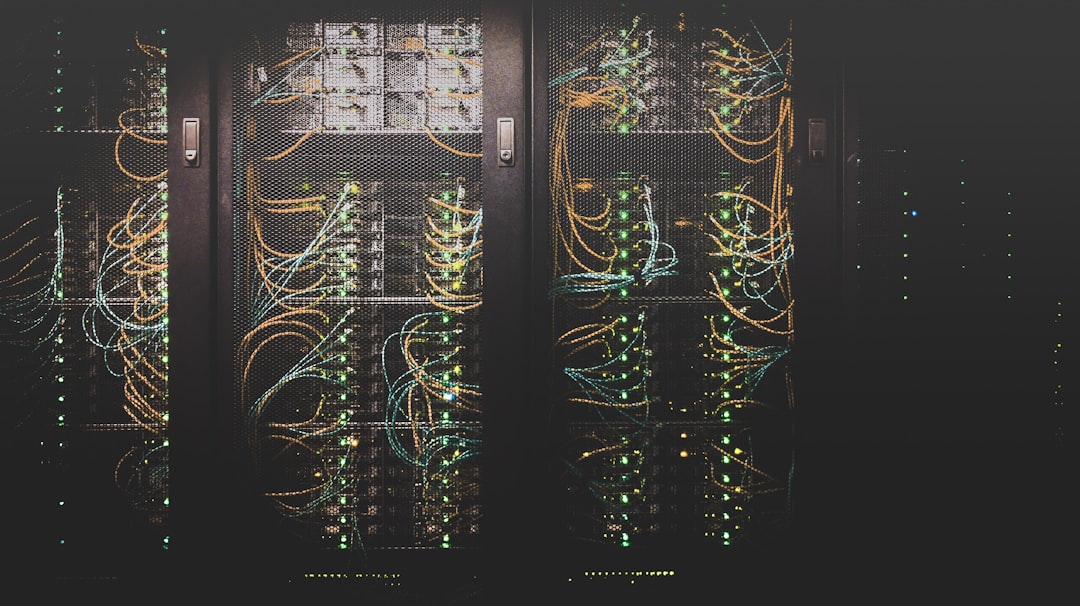
Photograph: Taylor Vick / Unsplash
The moment
In early March 2024, during a routine shift, James Anderson was monitoring network activity within a regional hospital’s cybersecurity operations centre. The hospital’s electronic health record (EHR) system was critical infrastructure, handling sensitive patient data and supporting daily clinical workflows. As part of standard procedures, James’s team employed intrusion detection systems (IDS), anomaly detection tools, and endpoint monitoring to identify potential threats. Mid-morning, his system flagged unusual outbound traffic—an increase in data packets directed toward external IP addresses and encrypted channels not typical of regular operations. Concurrently, the hospital’s logging system showed multiple failed login attempts on administrative accounts, followed by successful privilege escalation attempts.
The hospital was preparing for a high-volume outpatient clinic day, with hundreds of patient records actively being accessed and updated. This period represented a high-risk window: any disruption or data breach could compromise patient privacy, violate legal compliance requirements, and jeopardise hospital operations. Recognising the potential severity, James quickly began a detailed investigation, knowing that early detection could prevent a significant security incident.
Why years of experience made the difference
James Anderson’s seven years of specialised experience in cybersecurity, particularly within healthcare environments, underpinned his ability to interpret the signs of a sophisticated attack. His familiarity with common attack vectors targeting medical software—such as privilege escalation exploits, lateral movement tactics, and data exfiltration methods—allowed him to quickly recognise anomalies that might otherwise be dismissed as benign or routine.
Beyond textbook knowledge, James had developed a nuanced understanding through hands-on experience with zero-day detection techniques. His approach integrated anomaly-based intrusion detection systems, which he calibrated over time to distinguish between normal network fluctuations and genuine threats. When he encountered encrypted outbound traffic and suspicious privilege activities, his instinct was to consider the possibility of an undisclosed vulnerability—something not documented in existing threat intelligence feeds.
His expertise in reverse engineering played a crucial role. He routinely analysed suspicious binaries and scripts, often employing static analysis tools such as IDA Pro, Ghidra, or Radare2, alongside dynamic sandbox environments that simulated execution. This deep familiarity with malware behaviour patterns and binary signatures enabled him to spot unusual code structures and behaviours indicative of a zero-day exploit—an unknown vulnerability that had yet to be patched or publicly disclosed.
Furthermore, James’s incident response training allowed him to act swiftly and methodically. Recognising the signs of a potential breach, he knew precisely how to validate the threat, contain the activity, and coordinate with operational teams. His experience demonstrated that rapid, informed action—grounded in technical expertise—could prevent a breach from escalating into a full-scale data exfiltration or operational shutdown.
What happened next
Immediately upon noticing the anomalous activity, James initiated a targeted investigation. He isolated the affected segment of the network, deploying additional endpoint monitoring agents to track lateral movement and data flows. Simultaneously, he triggered a detailed analysis of the suspicious binary payload that was involved in the privilege escalation attempt.
Using static analysis tools, James reverse-engineered the binary, focusing on its code architecture, embedded strings, and API calls. The analysis revealed obfuscated code sections and suspicious system calls, which strongly indicated it was a custom-developed exploit targeting known kernel or application vulnerabilities. Dynamic analysis in a sandbox environment confirmed that the binary attempted to escalate privileges by exploiting an unpatched component within the hospital’s software stack—a zero-day vulnerability.
Recognising the urgency, James collaborated with the hospital’s IT team to implement a temporary containment strategy: disabling affected accounts, applying network segmentation, and deploying tailored signatures to IDS/IPS systems to detect similar activity. Within 48 hours, a custom patch was developed—leveraging insights from his reverse engineering—and deployed across affected systems in a controlled manner. Continuous monitoring ensured that no further anomalous activity occurred, and no data exfiltration was detected.
Thanks to this swift, technically precise response, the hospital avoided an incident that could have compromised hundreds of patient records and disrupted critical healthcare services. The incident was contained before the exploit could be widely exploited or cause system downtime, maintaining operational continuity during a demanding period.
What this tells us
This case exemplifies how deep technical expertise—rooted in years of hands-on experience and advanced analysis techniques—enables cybersecurity professionals to identify and mitigate zero-day vulnerabilities in critical infrastructure. Recognising subtle indicators, performing detailed reverse engineering, and coordinating rapid incident response are essential skills that can prevent data breaches and protect lives. It underscores the importance of continuous professional development and familiarity with both attack methodologies and mitigation strategies in safeguarding sensitive environments.
- James used a combination of network traffic analysis and sandboxing to identify unusual behavior indicative of a zero-day exploit.
- He applied advanced static and dynamic code analysis techniques to reverse engineer the suspicious binary component, confirming the zero-day vulnerability.
- The hospital’s operational continuity was at stake, with potential data breaches risking patient privacy and legal compliance.
- He immediately alerted the hospital’s IT team, shared detailed technical findings, and recommended containment measures based on his incident response training.
- The swift detection and patching prevented a possible breach affecting hundreds of patient records and avoided operational shutdown.
| Subject | James Anderson (fictional name) |
| Role | Cybersecurity researcher with 7 years of experience specializing in vulnerability analysis and incident response in healthcare infrastructure |
| Location | Wellington, New Zealand |
| Period | March 2024 |
| Field | Cybersecurity |
| Region | Oceania |
| Outcome | Thanks to James’s prompt identification and coordinated response, the hospital applied an emergency patch within 48 hours, preventing data exfiltration and avoiding system downtime that could have disrupted patient care for hundreds. No data breaches occurred, and trust in hospital cybersecurity was reinforced. |
This is an illustrative composite case inspired by documented patterns of professional practice in Cybersecurity. Names and identifying details are fictional to protect individual privacy. The techniques, procedures, and field-specific context reflect real professional practice. Written by Linnea Makinen on June 3, 2026. Questions: [email protected].