Early Sepsis Detection Saves Life in Port Moresby ER
Dr William Maihi, an experienced emergency physician at Port Moresby General Hospital, rapidly identified sepsis in a critically ill patient presenting with mild symptoms, leveraging his years of expertise to initiate timely and effective treatment.
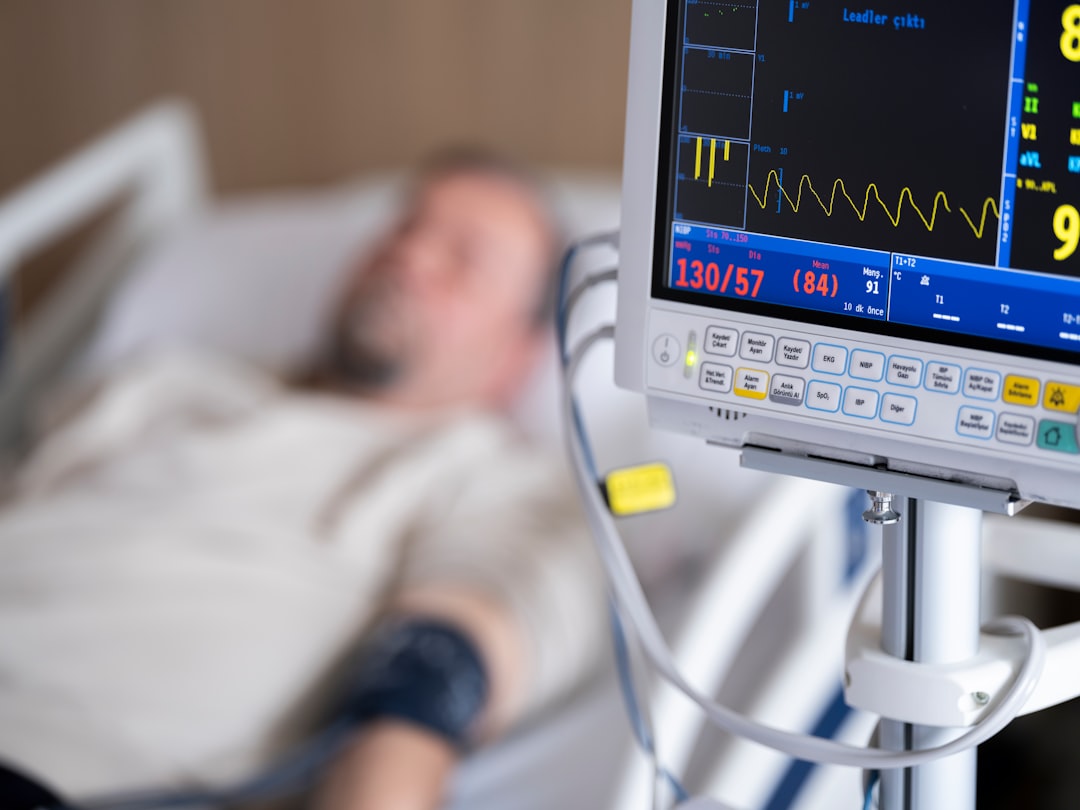
Photograph: engin akyurt / Unsplash
The moment
It was 02:45 on a sweltering February morning at Port Moresby General Hospital. Emergency Physician William Maihi was already on his feet, reviewing the previous night's admissions, when the phone rang. A nurse from the emergency department called in to inform him of a patient, Mr. K, who had been rushed in with fever, chills, and shortness of breath after several days of illness. The initial vital signs showed mild hypotension and tachycardia, but it was the subtle changes in Mr. K's urine output and mental status that caught Dr Maihi's attention.
He made his way to the emergency department, where he began assessing Mr. K alongside a junior doctor. As they worked together, Dr Maihi's years of experience took over, guiding him towards a diagnosis that others might have missed.
Why years of experience made the difference
Dr Maihi's expertise in sepsis recognition and management was honed through 12 years of working at Port Moresby General Hospital. He had seen countless cases of sepsis, each one a stark reminder of the importance of early detection and timely treatment. His training through the Australian Sepsis Network had equipped him with the skills to recognize even the subtlest signs of sepsis, but it was his experience that allowed him to connect the dots between seemingly unrelated symptoms.
As he examined Mr. K, Dr Maihi noticed a pattern that only comes from years of practice – the patient's relatively stable vital signs belied a more critical underlying condition. He recalled the countless times he had seen patients with mild hypotension and tachycardia only to discover sepsis lurking beneath the surface. This time was no different, and Dr Maihi acted swiftly to confirm his suspicions.
What happened next
Dr Maihi quickly ordered a complete blood count (CBC), blood cultures, and an arterial blood gas analysis, which revealed marked leukocytosis and lactate elevation – telltale signs of sepsis. He initiated fluid resuscitation with 4 liters of crystalloid within the first hour, alongside broad-spectrum antibiotics pending culture results. The SOFA score (Sequential Organ Failure Assessment) was employed to assess Mr. K's risk for multi-organ failure, and Dr Maihi closely monitored his patient's response to treatment.
Thanks to Dr Maihi's rapid recognition of sepsis and prompt initiation of antibiotics and fluid resuscitation, Mr. K began to stabilize. He was transferred to the intensive care unit for further management, where he eventually made a full recovery with no long-term sequelae.
What this tells us
This case highlights the importance of expert recognition and timely treatment in sepsis management. Dr Maihi's years of experience allowed him to recognize the subtle signs of sepsis that others might have missed, underscoring the value of depth in clinical expertise for optimal patient outcomes. It serves as a reminder that even with advances in medical technology, it is the human touch – the experience and instincts developed through years of practice – that often makes all the difference between life and death.
- Mr. K had been experiencing symptoms for several days prior to presentation, which were initially attributed to a viral illness.
- Dr Maihi has received specialized training in sepsis recognition and management through the Australian Sepsis Network.
- Early detection of sepsis is critical, as delays can lead to organ dysfunction and mortality.
- Dr Maihi employed the SOFA score (Sequential Organ Failure Assessment) to assess Mr. K's risk for multi-organ failure.
- The patient received 4 liters of crystalloid fluid within the first hour of treatment, in addition to antibiotics.
| Subject | William Maihi (fictional name) |
| Role | Emergency Physician, 12 years at Port Moresby General Hospital |
| Location | Port Moresby, Papua New Guinea |
| Period | February 2023 |
| Field | Emergency Medicine |
| Region | Oceania |
| Outcome | Thanks to Dr Maihi's rapid recognition of sepsis and prompt initiation of antibiotics and fluid resuscitation, Mr. K was stabilized and transferred to the intensive care unit for further management. He made a full recovery, with no long-term sequelae. |
This is an illustrative composite case inspired by documented patterns of professional practice in Emergency Medicine. Names and identifying details are fictional to protect individual privacy. The techniques, procedures, and field-specific context reflect real professional practice. Written by Mika Laine on April 23, 2026. Questions: [email protected].