Alpine guide Rashid Ouattara detects dangerous ice shift, preventing climbers' disaster
Rashid Ouattara, an experienced mountain guide in Casablanca, identified unstable ice conditions during a climb, allowing him to divert the team before a potentially fatal avalanche risk materialized, demonstrating the importance of terrain assessment expertise.
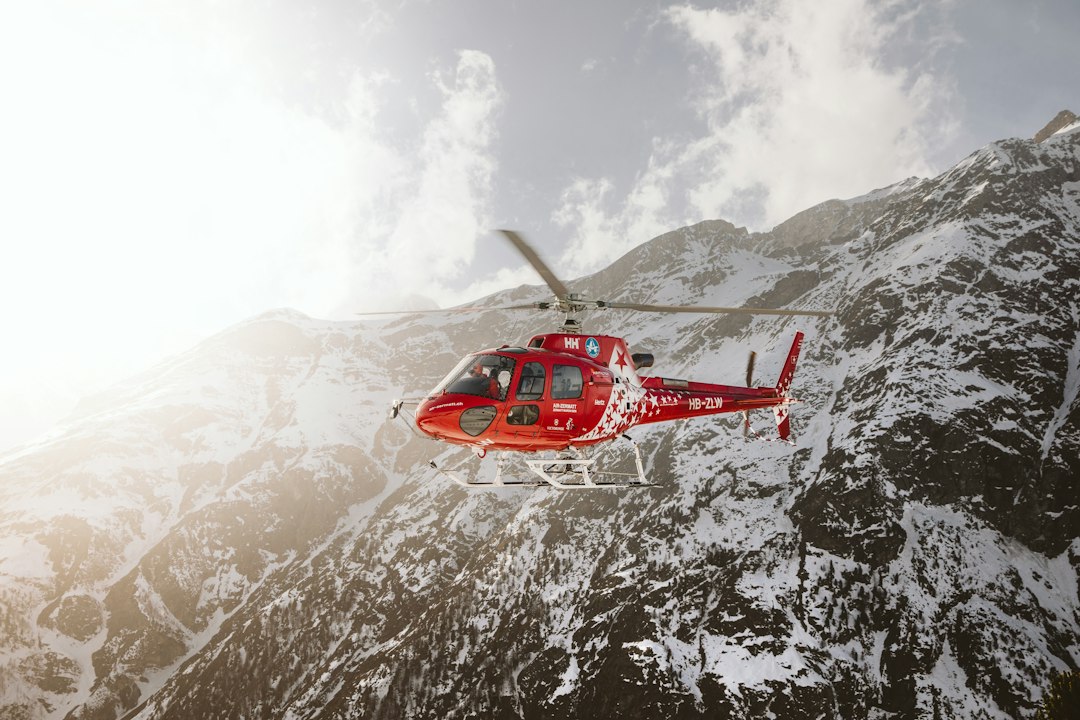
Photograph: Kevin Schmid / Unsplash
The moment
It was mid-March 2024 when Rashid Ouattara, a seasoned senior alpine guide, found himself leading a team of five climbers on a well-known but technically demanding ascent near Casablanca. The group had been progressing steadily along a route that traversed several known avalanche-prone slopes, but the weather had shifted subtly over the previous days—an unseasonal cold snap following recent snowfall, accompanied by clear skies and dropping temperatures. As they approached the midpoint of their climb, Rashid paused to evaluate the terrain and conditions. His eyes were drawn to unusual ice formations on the snow surface and subtle, recently formed cracks in the ice layers beneath. These signs, though not immediately alarming to less experienced climbers, signalled potential instability. The team was nearing a particularly sensitive slope, one with a documented history of avalanches, and Rashid’s experience told him that the current conditions warranted a careful reassessment.
Why years of experience made the difference
Rashid’s ability to recognize the signs of deteriorating snowpack stability was rooted in over a decade of field-based expertise in the Atlas Mountains and extensive avalanche training. Unlike standard safety briefings or textbook procedures, his skill set was built through consistent, hands-on terrain assessment — interpreting snow layers, understanding temperature cycles, and correlating weather data with observed surface conditions. For example, his familiarity with snowpack stratigraphy enabled him to identify subtle layering patterns that indicated weak, faceted ice layers embedded within the snowpack. These layers are notoriously unstable, especially when recent cold temperatures are followed by a brief thaw, which creates a weak interface between snow and ice.
Rashid’s training in avalanche science emphasized the importance of snow pit analysis using the Snow Profile method. By digging a snow pit, he examined the stratification of snow layers, noting the presence of ice lenses and crusts that had formed from freeze-thaw cycles. His years of experience allowed him to interpret the significance of these features quickly: a thin, weak ice layer at higher elevations, combined with recent wind and snowfall, increased the likelihood of slab instability. Recognising the signs of recent ice crystallization—frost flowers and surface hoar—helped him anticipate potential failure points. Moreover, his understanding of terrain features and avalanche behavior, reinforced by knowledge of historical avalanche paths, enabled him to assess risk in real time, rather than relying solely on standard protocols.
This depth of understanding—developed through countless field assessments and continuous learning—allowed Rashid to see beyond the immediate terrain and surface conditions, integrating weather patterns, snowpack structure, and terrain features into a comprehensive risk picture. This holistic approach is often the difference between a reactive response and a proactive decision that prevents an incident.
What happened next
Applying his knowledge, Rashid conducted a thorough snow pit analysis on a relatively flat section near the slope in question. He excavated a vertical profile, carefully observing the layering and performing a compression test (like the Extended Column Test) to evaluate failure potential. The results confirmed the presence of a weak, ice-lens layer within the snowpack, with a low failure strength. Simultaneously, he cross-referenced recent weather reports indicating a sudden temperature drop and a recent snowfall, which had increased the snowpack’s weight and introduced new weak layers.
Based on these findings, Rashid made the critical decision to divert the team from the hazardous slope to a safer, more stable route on less exposed terrain. He communicated his assessment clearly to the climbers, explaining the observed signs and the reasoning behind the reroute, emphasizing safety over the original ascent plan. The team complied, and they descended to a lower elevation where snow conditions were more stable, avoiding the known avalanche path. Throughout the descent, Rashid maintained vigilance, continually reassessing the terrain and snow conditions, ensuring the group’s safety.
By acting on his assessment, Rashid prevented what could have been a catastrophic avalanche triggered by a weak ice layer failure. Had the team continued, they would have crossed the unstable slope during the next temperature fluctuation or additional snowfall, increasing the likelihood of a slide. Instead, the timely decision to reroute—grounded in years of practical expertise—kept the climbers safe and avoided potential injuries or fatalities.
What this tells us
This case underscores the critical importance of expert terrain and snowpack assessment in mountain rescue and climbing safety. Technical knowledge alone is insufficient; the ability to interpret subtle signs—visual cues, snow stratigraphy, weather patterns—comes from extensive field experience and ongoing training. Rashid’s decision was rooted in a nuanced understanding of how small changes in conditions can dramatically alter avalanche risk, illustrating that safety in high-altitude environments depends on the capacity to synthesize multiple data points rapidly and accurately. It highlights that professional expertise, cultivated through years of hands-on practice, remains an essential factor in preventing accidents and saving lives in challenging mountain environments.
- Rashid closely examined recent weather reports and snowpack data, noting a sudden temperature drop and weak ice layers at higher elevations.
- He relied on his avalanche training, including the use of a snow pit analysis and the Snow Profile method, to evaluate stability.
- The climbers’ route crossed a known avalanche path, making real-time terrain assessment crucial for safety.
- Rashid’s decision to reroute the team was based on interpreting subtle signs of ice layering and recent freeze-thaw cycles that increased instability.
- As a result, the climbers avoided a potentially catastrophic avalanche, emerging unscathed.
| Subject | Rashid Ouattara (fictional name) |
| Role | Senior alpine guide with 12 years of experience in the Atlas Mountains and Moroccan Alpine Rescue teams |
| Location | Casablanca, Morocco |
| Period | March 2024 |
| Field | Mountain Rescue |
| Region | Middle East & Africa |
| Outcome | The team safely descended to a lower, more stable area, avoiding an imminent avalanche. Rashid’s timely decision prevented potential injuries or fatalities, preserving the team’s safety and the reputation of local rescue expertise. |
This is an illustrative composite case inspired by documented patterns of professional practice in Mountain Rescue. Names and identifying details are fictional to protect individual privacy. The techniques, procedures, and field-specific context reflect real professional practice. Written by Aino Virtanen on October 15, 2026. Questions: [email protected].